BACK
about us
OUR MOST POPULAR TREATMENTS

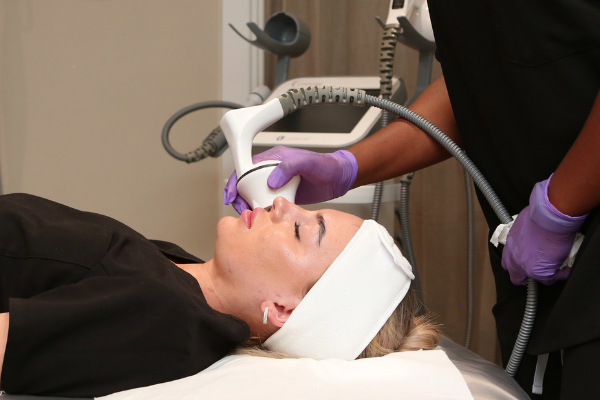


You can find pigmentation or Hyperpigmentation anywhere on the body. They are red marks or brown marks on the skin that vary in size and create an uneven skin tone. It can massively impact confidence as it can be difficult to cover with makeup. Hyperpigmentation can make people look much older than their years.
The most common types of pigmentation are Melasma, Chloasma, Sunspots, Age Spots, Liver Spots, Post Inflammatory Hyperpigmentation (PIH), Post Inflammatory Erythema (PIE) and Freckles. When pigmentation is left untreated, it will worsen with age. This is because melanin/pigment is pushed closer to the skin’s surface over time and also becomes more visible as skin thins with age. Pigmentation cannot be cured, but with the correct professional advice, it can be managed effortlessly. With our help, you can experience a flawless, more even skin tone, as long as treatment and skincare are maintained.
Hyperpigmentation is caused by an overproduction of pigment (known as melanin) from the skin cells. Pigment is produced by the body to protect the nucleus of the skin cell from damage and to help prevent skin cancer. There are many causes of Hyperpigmentation, such as:
Applying SPF daily helps protect our skin from excessive pigmentation. Sun exposure (UV Light) causes more pigment to be made to block the UVA & UVB light from reaching the cell nucleus. There is no such term as a ‘healthy tan’. A tan indicates the skin has been overexposed to sunlight and damaged. Freckles are generally caused by sun damage (often in childhood) but may also be genetic. Freckles are very common in lighter skin tones and red hair colouring. This is due to the type of melanin (pigment) they are born with. Sun spots, age spots and liver spots are Hyperpigmentation caused by excessive sun exposure.

Pigmentation caused by sun damage
Melasma and chloasma (also known as the pregnancy mask) are forms of Hyperpigmentation caused by hormonal imbalances. Ladies often experience Melasma on the face during and or after pregnancy. The difference between Melasma and Hyperpigmentation is that Melasma is always symmetrical on the face, it’s almost like a butterfly effect. Brown patches on the lip, forehead, cheeks and chin generally define it.
Popping spots and pimples causes trauma to the skin, which can cause post-inflammatory Hyperpigmentation. There are two types of post-inflammatory pigmentation, which may appear as brown marks on the skin, post-inflammatory hyperpigmentation (PIH), or red marks on the skin, post-inflammatory erythema (PIE). These two types of pigmentation will generally reduce and go away on their own, but it can take several months. To prevent any post-inflammatory hyperpigmentation, stop being a pimple popper! Even blackhead popping is a no-go; squeezing blackheads is forbidden. Please refrain from all spot squeezing!!!!
Certain medications can also cause Hyperpigmentation. If you are taking any medications and you are concerned about the cause of your Hyperpigmentation, we recommend you visit the NICE website. If a medication is photosensitive, it can worsen your pigmentation. Photo-sensitive medications also give you a higher risk of developing skin cancer.
We offer a full range of clinical treatments which are suitable for higher skin tones. Clinical treatments are intensive and complement at-home skincare, delivering results faster. For complete skin rejuvenation as quickly as possible, we can also combine advanced skincare (cosmeceutical or medical) treatments with clinical treatments and skin-specific supplements. Our recommendations will help minimise the current pigmentation and prevent the formation of new pigmentation.
You will be left with a more even glowing skin tone, without feeling the need to wear make-up! We always recommend starting with an initial skin consultation to determine the type of Hyperpigmentation you have. There are 3 factors which we have to assess during this skin consultation. These 3 factors allow us to recommend the best treatment protocol for each client:
Dye-SR IPL Treatments (only suitable for lower skin tones, Fitzpatrick 1-4)
Clear Lift Pro (suitable for all skin tones)
Obagi Medical Prescription Skincare- We offer Obagi 14 skin transformation kits!
Environ Skincare
At Fiji Skin Clinic, we specialise in helping clients undo the visible effects of past sun damage, dehydration, and collagen loss. From laser rejuvenation to targeted pigmentation treatments, we offer expert-led solutions for real skin concerns.
Whether you’re starting fresh or continuing your journey, we’re here to help.
You can be reassured that you will get results with either skincare or clinical treatments with Fiji Skin Clinic. Read more on our hyperpigmentation treatment here. By combining the two, you get results faster! Check out our Google Reviews to see
 Consultation
  ClearLift Pro
  ClearVas
  Iris Acne
  Iris Dye-VL IPL
  SupErb Resurfacing
  Tattoo Removal
  VascuPen Vein Removal
  Chemical Peels
  Dermalux Tri-Wave Light Therapy
 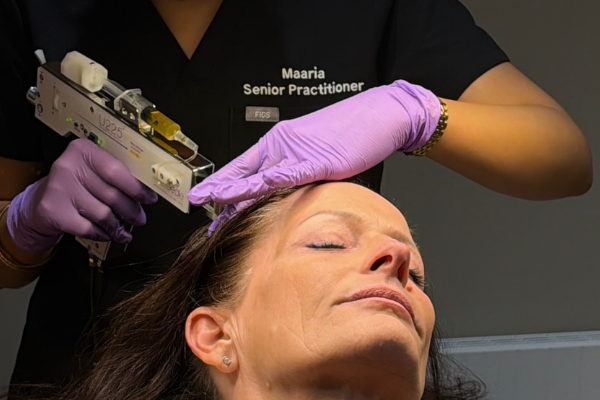 PRP (Platelet Rich Plasma)
  Skin Tag Removal
 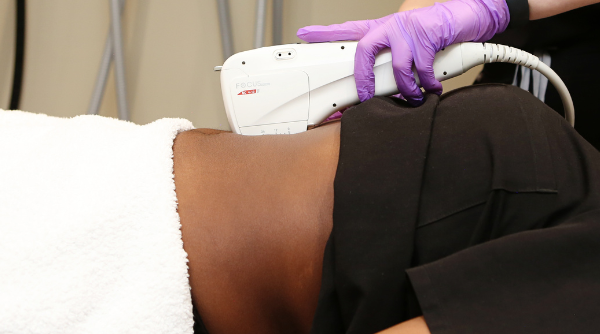 HIFU
HIFU 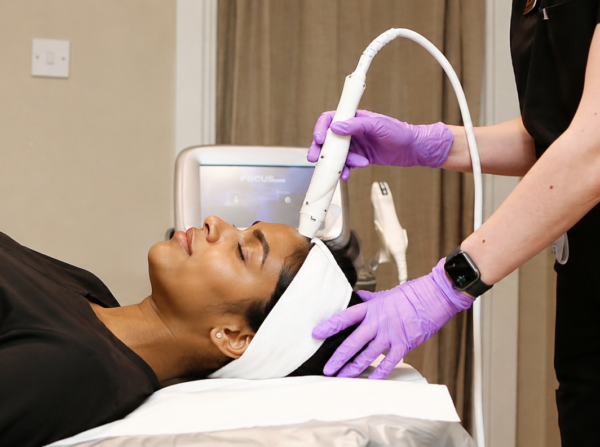 Radiofrequency Microneedling
 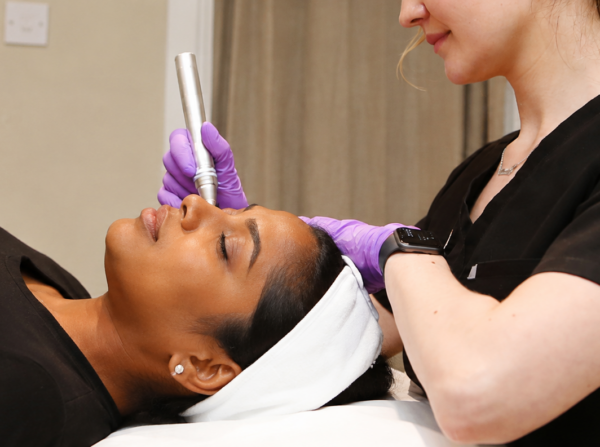 Dermapen Microneedling
  Exosomes
  Allergy & Intolerance Testing