BACK
about us
OUR MOST POPULAR TREATMENTS

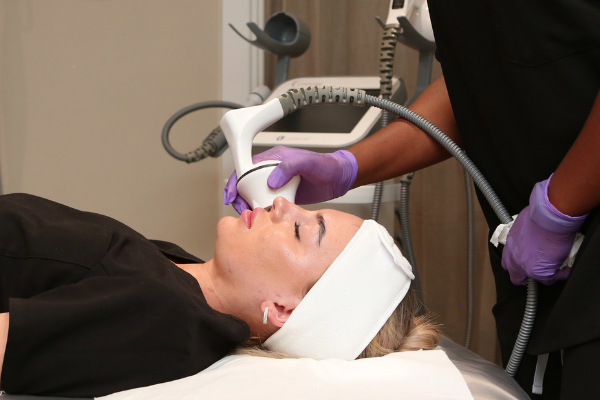


You’ve had your treatment, you’re following your skincare plan, and naturally, you’re wondering when you’re going to see the difference.
Some treatments can leave your skin looking fresher almost immediately. But when we’re treating concerns such as uneven texture, acne scarring, fine lines, pigmentation or loose skin, many of the changes we want to create happen gradually beneath the surface.
That’s because your skin is working on more than one timeline.
You may have heard people talk about the “28-day skin cycle”.
What they’re really referring to is the renewal of the outer layer of the skin, known as the epidermis… not your entire skin renewing itself every month. New skin cells are created within the deeper part of the epidermis before gradually moving towards the surface and eventually being shed.
Around 28 days is often used as a simple guide, particularly for younger skin, but there isn’t one exact number that applies to everyone. Skin cell turnover happens over several weeks and generally becomes slower as we get older.
So while your surface skin is constantly renewing itself, deeper changes within the skin happen on a very different timeline. That’s where collagen remodelling comes in.
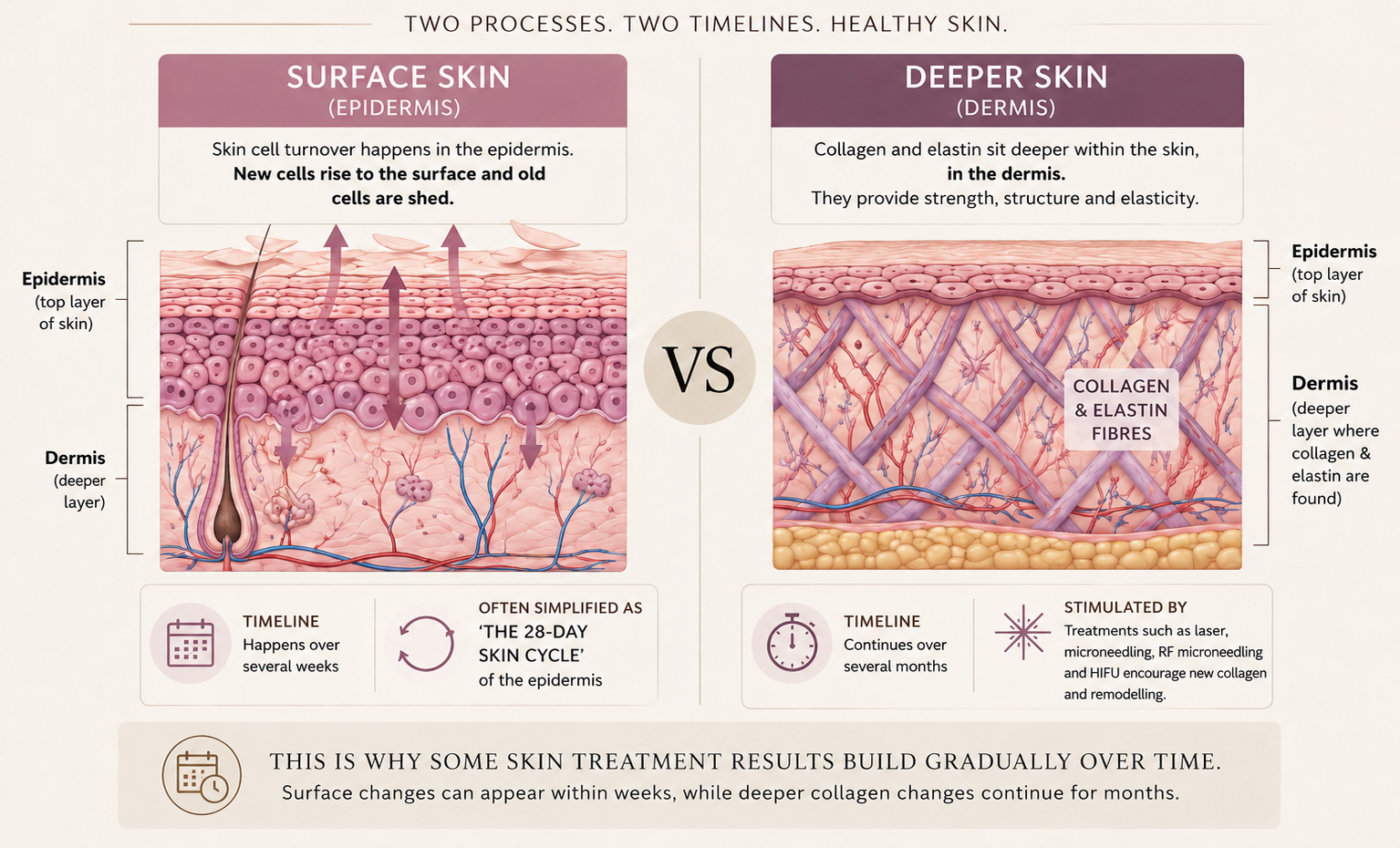
Collagen is the main structural protein in the skin, providing strength, firmness and support. Elastin gives skin its flexibility and ‘bounce’, allowing it to stretch and return to shape. As we age, changes in both collagen and elastin contribute to skin becoming thinner, looser and less resilient.
Treatments such as laser, HIFU, microneedling, Morpheus8, Fiji Signature Lift and RF microneedling can stimulate processes deeper within the skin that encourage new collagen and gradual remodelling, and that process can continue for several months.
Your treatment may take an hour, but your skin can continue responding long after you’ve left the clinic.
This is why improvements in firmness, texture, fine lines and acne scarring can continue to build gradually rather than appearing straight away.
Many of the concerns we treat have developed over months or years, so it is rarely realistic to expect one treatment to completely change them. A course allows us to work progressively, giving the skin the right stimulus and enough time to respond before the next appointment.
Think of it like improving your fitness. One workout can be beneficial, but meaningful change usually comes from repeated, appropriately spaced training. Many skin treatments work on a similar principle: one treatment starts the process, while a planned course allows us to build on that response over time.
The aim isn’t to do as much as possible, as quickly as possible. It is to give your skin the right treatment, at the right intervals, for long enough to make a meaningful difference.
You may still notice some improvements straight away, particularly in hydration or surface texture, but deeper collagen changes take longer.
As we age, skin renewal naturally slows, while collagen production and the quality of our existing collagen declines. Years of sun exposure can become more visible over time, while hormonal changes during perimenopause and menopause can affect hydration, firmness, sensitivity and overall skin quality.
This is why many people notice that their skin behaves differently in their 40s and 50s than it did in their 20s. Texture and pigmentation may become more noticeable, skin can feel drier and changes in loose skin can become harder to ignore.
At this stage, looking after your skin often becomes less about relying on one product or the occasional treatment, and more about taking a considered, long-term approach.
What you do between appointments matters too. The right homecare can support skin renewal, help manage concerns such as pigmentation, breakouts or dryness, and protect the progress you are making in clinic.
Daily SPF is particularly important because UV exposure continues throughout the year along with blue light from technology, contributing to pigmentation and collagen breakdown. Professional treatments and homecare should be working towards the same goal.
Completing a successful treatment course doesn’t mean your skin journey is over. You continue to age, hormones fluctuate, and your skin remains exposed to UV and other environmental factors throughout the year that can impact your results.
So once we’ve achieved the result we were aiming for, the question becomes:
How do we help maintain that progress?
Maintenance doesn’t mean automatically repeating the same treatment every few months. For one person, it might mean an occasional collagen-stimulating treatment. For someone else, maintaining their results may mean treatments every month.
Sometimes another treatment makes sense. Sometimes a different treatment becomes more appropriate. And sometimes your skin doesn’t need any further treatment yet.
That is why reviewing your skin matters.
Treatment for the sake of treatment isn’t the goal.
The goal is to understand what your skin needs at each stage and adjust your plan accordingly.
It depends on the treatment. A Hydrafacial shouldn’t be judged on the same timeline as RF microneedling, and a pigmentation treatment works differently from a collagen-stimulating laser.
Some changes may appear within days or weeks, while others can continue developing for several months. That’s why a realistic results timeline (and what maintenance may look like afterwards) should be explained before you start treatment.
A good treatment plan considers not only what you want to improve, but also when you want to see that improvement and what may be needed to maintain it.
Before-and-after images can make skin transformation look instant, but real skin doesn’t work quite like that. Your skin is continuously renewing, repairing and changing, and the best treatment plans recognise that.
At Fiji Skin Clinic in Sutton Coldfield, Birmingham, we look at where your skin is now, what you would genuinely like to improve and what level of treatment suits you.
That could mean a course of treatments, ongoing maintenance, and sometimes simply continuing what is already working.
If you’re not sure where to start, book a skin consultation. We can assess your skin properly, understand what you want to change and build a plan around what your skin actually needs.
When people talk about the “28-day skin cycle”, they’re usually referring to skin cell turnover within the epidermis, or outer layer of the skin. In reality, the exact timing varies and generally becomes slower as we age.
Collagen remodelling happens over a much longer period than surface skin renewal and can continue for several months after a collagen-stimulating treatment.
Your skin needs time to respond and remodel following treatment, but it also benefits from continued stimulation. A course allows us to work progressively with the skin’s natural regenerative processes, providing a series of controlled stimuli that encourage ongoing collagen production and remodelling over time.
Skin results benefit from some form of ongoing maintenance, but that doesn’t always mean continuing to have treatments. It may involve occasional maintenance appointments, our Club Fiji memberships, the right skincare, daily SPF or simply reviewing your skin and adjusting your plan when needed.
Results vary depending on the treatment and your individual skin, but collagen remodelling can continue for several months. Your practitioner should explain your expected timeline before treatment so you know when it is realistic to assess your final result.
 Consultation
  ClearLift Pro
  ClearVas
  Iris Acne
  Iris Dye-VL IPL
  SupErb Resurfacing
  Tattoo Removal
  VascuPen Vein Removal
  Chemical Peels
  Dermalux Tri-Wave Light Therapy
 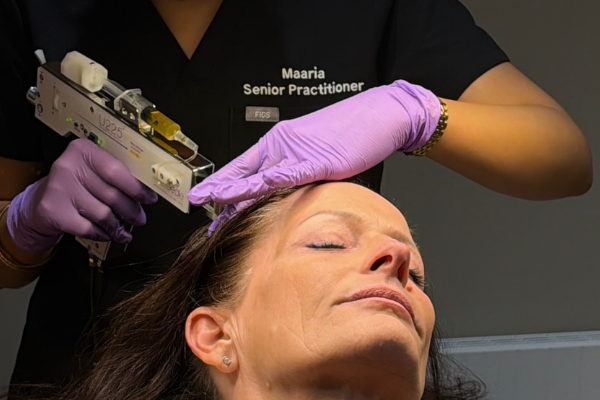 PRP (Platelet Rich Plasma)
  Skin Tag Removal
 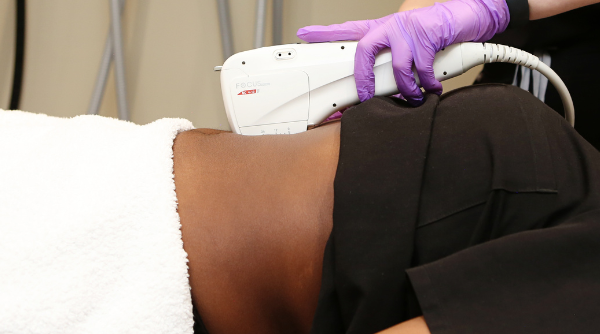 HIFU
HIFU 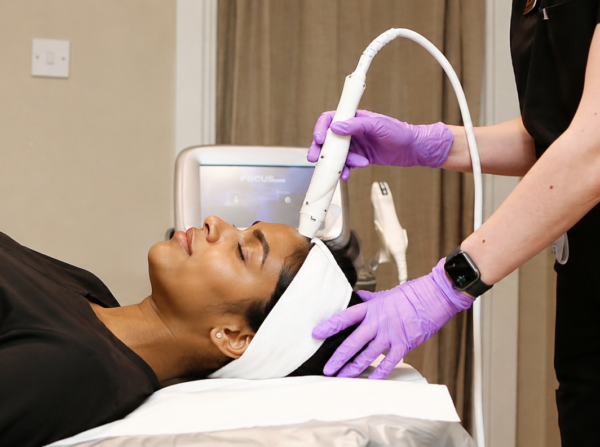 Radiofrequency Microneedling
 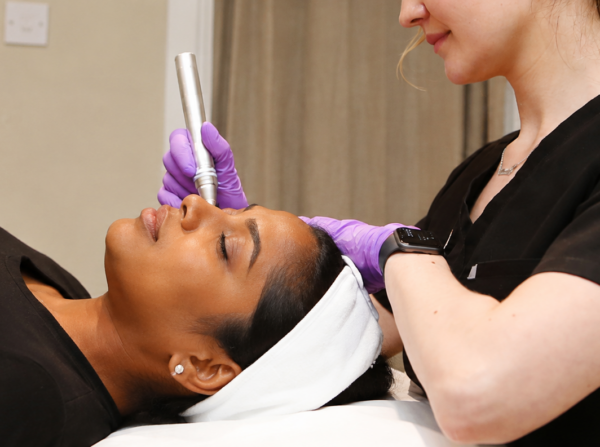 Dermapen Microneedling
  Exosomes
  Allergy & Intolerance Testing